For many filmmakers, making the film is the “easy” part. (Those quotation marks are doing a lot of work.) What doesn’t come as naturally is the discussion of distribution. If you’re trying to self-distribute, or just want to be able to nod knowingly when terms are thrown around by your chosen distributor, then you’ll need to know a little bit about the different video-on-demand options and their accompanying acronyms.
There are three main types of video-on-demand you’ll hear about: SVOD, PVOD, and AVOD. Each one works differently, and each one can play a role in your film’s life.
SVOD (Subscription Video on Demand) is probably the one you already know. Think Netflix, Hulu, Disney+, or even niche platforms like MUBI. Viewers pay a monthly fee for access to a library of content, and your film becomes part of that library.
As a filmmaker, you typically don’t get paid per view on SVOD. Instead, you’re usually paid through a licensing deal, either a flat fee for a set period or sometimes performance-based bonuses. The upside is exposure and legitimacy. Being “on Netflix” still carries weight, as well as access to a huge potential audience. The downside is you’re giving up control and, often, long-term revenue potential.
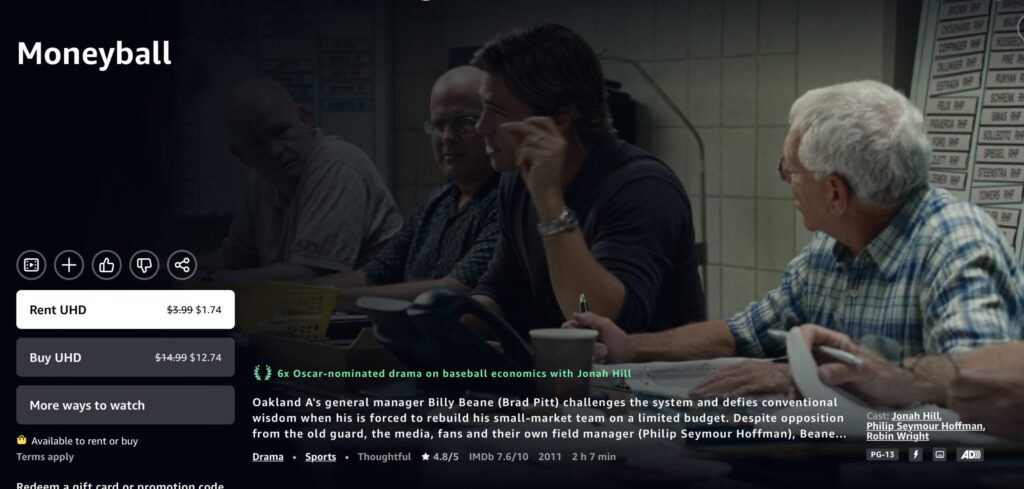
PVOD (Premium Video on Demand, or Paid Video on Demand) is closer to a traditional rental or purchase model. The viewers pay directly to watch your film, usually at a higher price point than standard rentals. Think of platforms like Apple TV, Amazon Prime Video (rent/buy), or even direct sales through your own website.
For indie filmmakers, PVOD might be your most likely place to make meaningful revenue per viewer. Instead of fractions of a cent per stream, you might earn a few dollars per transaction. The challenge is getting people to show up and pay. You need marketing, an audience, or a strong niche appeal, but if you’ve built a following, this model can work well.
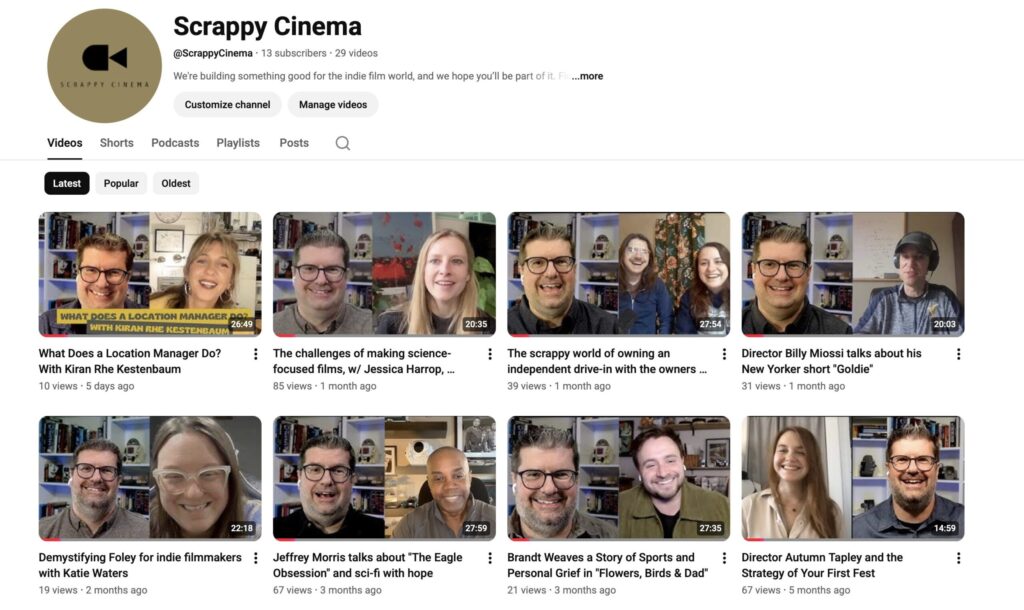
AVOD (Ad-Supported Video on Demand) is the “free to watch” model. Platforms like Tubi, Pluto TV, and YouTube fall into this category. Viewers don’t pay with money; they pay with their time by watching ads.
For filmmakers, AVOD is about scale. You earn revenue based on ad impressions, so the more people who watch, the more you make. Individually, those views aren’t worth much, but they can add up over time. AVOD is often where films go later in their lifecycle, after they’ve exhausted higher-value windows like PVOD or SVOD.
Think of these models less as choices and more as stages. A common path might look like: start with festivals, move into PVOD to capture your core audience, license to SVOD for broader exposure, and eventually land on AVOD for long-tail revenue.
The key is understanding that each platform type serves a different purpose: cash now, exposure, or long-term passive income.
Even at the micro-budget level, knowing how these pieces fit together can help you make smarter decisions about how/where to distribute your film for the results you envision.
Knowing the differences and examples of AVOD, SVOD, and PVOD will be key when considering distribution options. In the meantime, now you can confidently throw these terms around at your next networking event.