
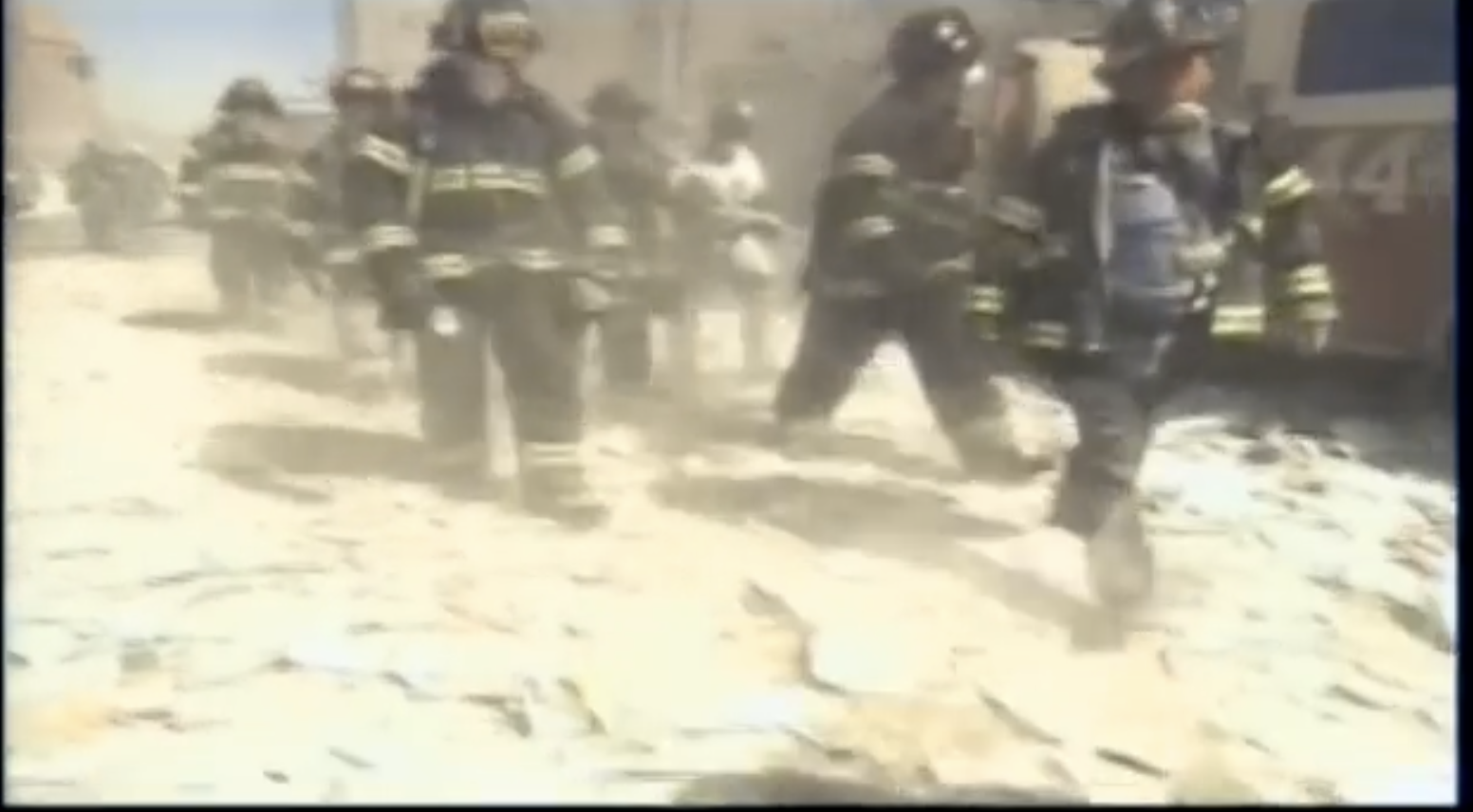
In March 2002, merely six months removed from the tragedy of September 11, 2001, CBS aired a remarkable documentary. The project included what was billed as the only footage from inside the Twin Towers on the morning of 9/11. To say that the documentary broadcast was an event is an understatement. More than 39 million Americans tuned in to the broadcast.
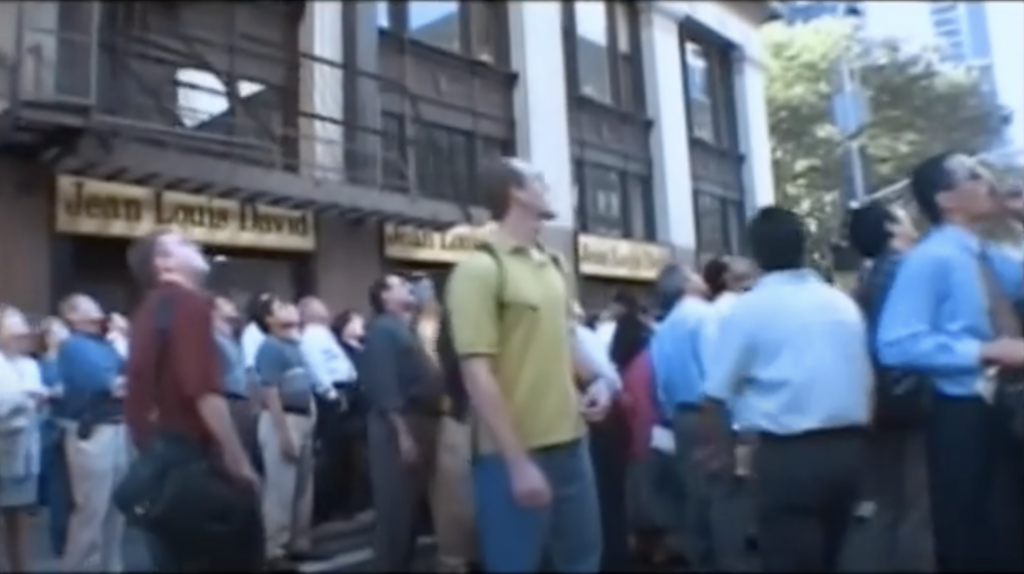
9/11 was created by Jules and Gédéon Naudet, two French brothers who were in New York City creating a different project. They had received permission to follow a FDNY probationary (rookie) recruit as he acclimated to life as a firefighter. The film was an independent project by the brothers, along with firefighter James Hanlon. Of course plans changed that fateful morning as the brothers were filming a routine fire gas leak call when they heard a loud noise overhead, and tilted up just in time to capture the first plane as it hit the North Tower. What transpires next is the chaotic scene as experienced by the Engine 7 firefighters, including that new recruit, Tony Benetatos.
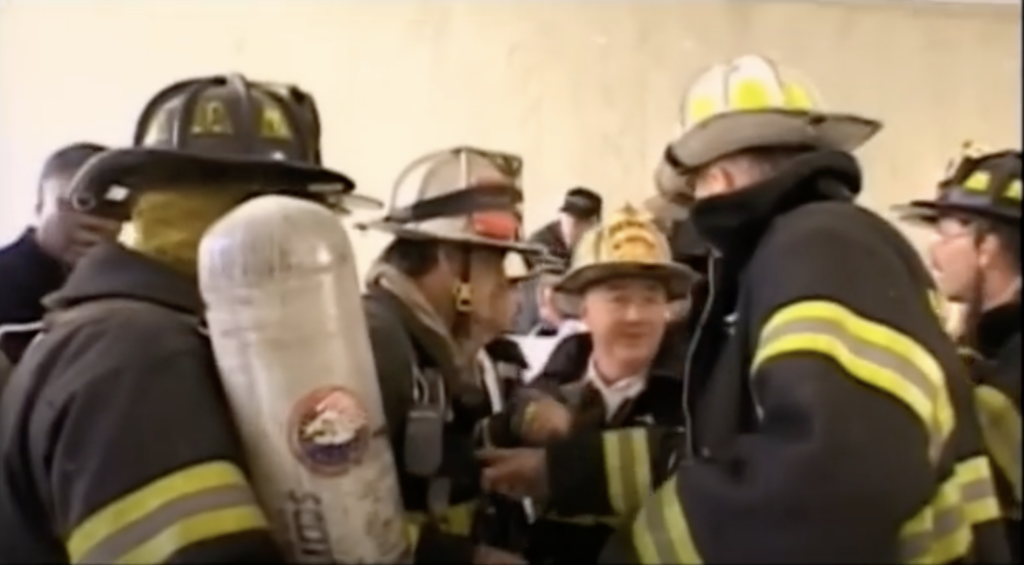
On the fifth and tenth anniversaries of the attacks, CBS aired updated versions of the documentary, adding more color around what happened to the people and places seen in the original. In 2016, the movie was updated again as it moved to CNN. That version originally aired as 9/11: Fifteen Years Later with new material and updates, including an introduction and conclusion by Denis Leary in place of Robert De Niro from the CBS version.
While these updated versions gave context to how the passage of time affected the story, in some ways, they took away from the visceral nature of the original version. Today, you can see the original version, with the Leary segments in place of De Niro on HBO Max. Unfortunately, this version is nearly 30 minutes shorter than the 2002 broadcast. The project in this form was just recently added to the platform in time for the 25th anniversary. For those looking for the original, as-it-was-broadcast version, it can be found on Internet Archive, minus De Niro’s segments. While the availability on the Archive is helpful, it seems shameful that this important documentary doesn’t have a more prominent home for the original version.
.