
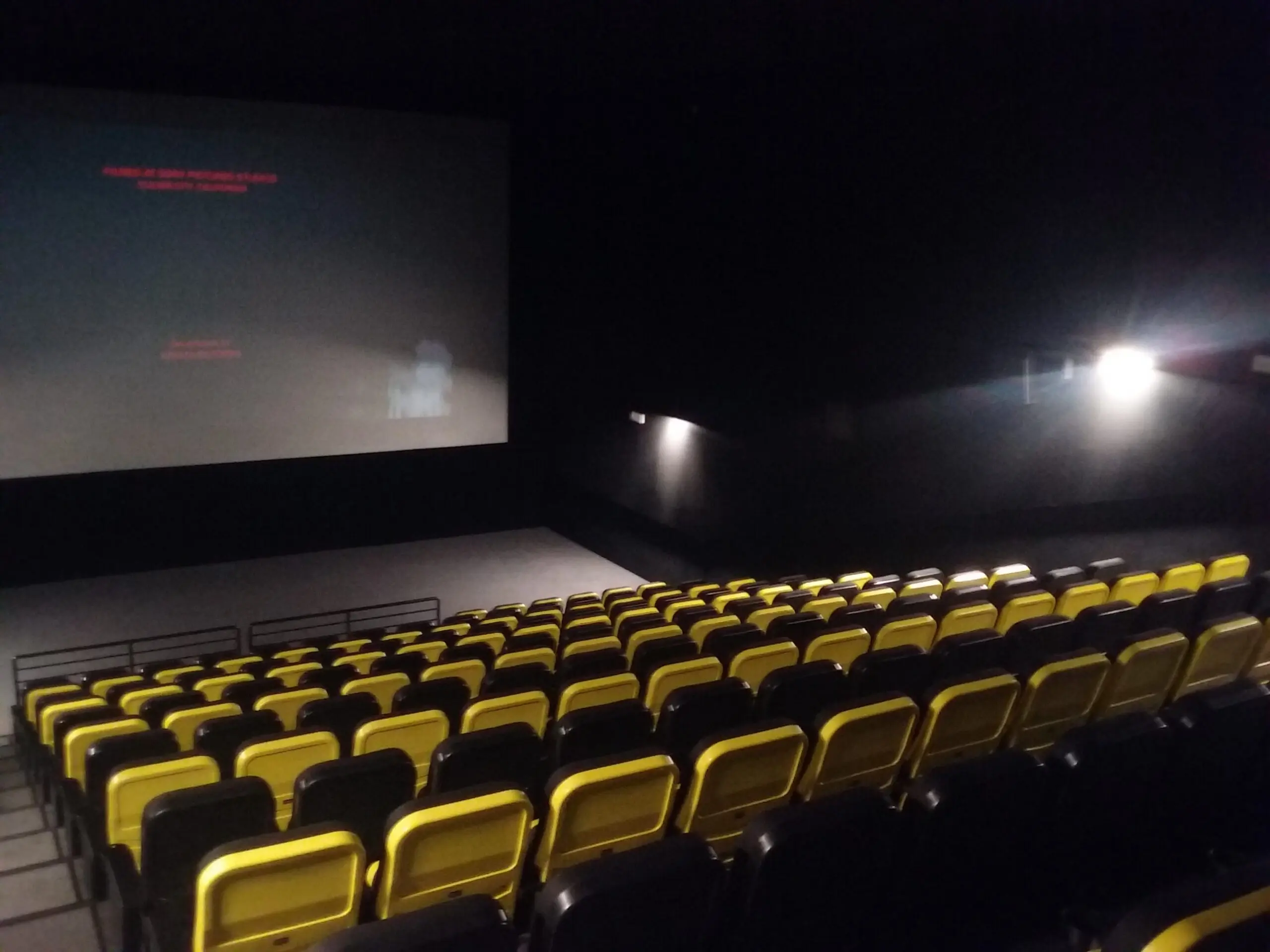
Sure things might be a little… bleak in many corners of our world, but I believe it falls to us to make the small improvements where we can. In that spirit, I come to you today with a humble suggestion for movie reviewers around the world: Disclose how you saw the movie you are reviewing.
This thought hit me recently as I was watching Digger, the Tom Cruise film that has critics divided for reasons that aren’t quite clear to me. At any rate, there are a few key moments in the film that are particularly powerful when you are watching them in a theater. Without spoiling anything here, these are moments in which you are reminded that YOU are in a theater, and to some extent, are living in the world portrayed in the film. There are a few of these moments, and while they certainly wouldn’t redeem the film if you were already not feeling it, those moments, along with some lovely sound design at the end of the film, can really only be experienced in the theater, and could be enough to sway perhaps a 3-star review to 3.5 stars.
Which led me to wonder how many movie reviews are actually from critics seeing films in a theater, and what kind of theater are they seen in? The aforementioned moments in Digger would lose most of their punch for a reviewer watching on a laptop via a studio-supplied link. And the soundscape near the end could be experienced very differently in, say a Dolby Atmos 12-channel theater, vs. a traditional 5.1 or 7.1 arrangement. (Provided the movie was mixed to take advantage of the extra channels.)
It’s worth noting that the audience for a film can also have a significant effect on the impression one gets from the film. It is worth knowing whether the movie was seen at a public screening, a critics’ screening, or with an audience of invited guests.
So I humbly suggest, dear movie critics, that you simply add after your review a description of how you saw the movie. Ex: “I watched Digger at a public screening in a laser projection theater with 12-channel sound.” Just 10-15 words that could add a bit of needed context to how a movie was experienced.