
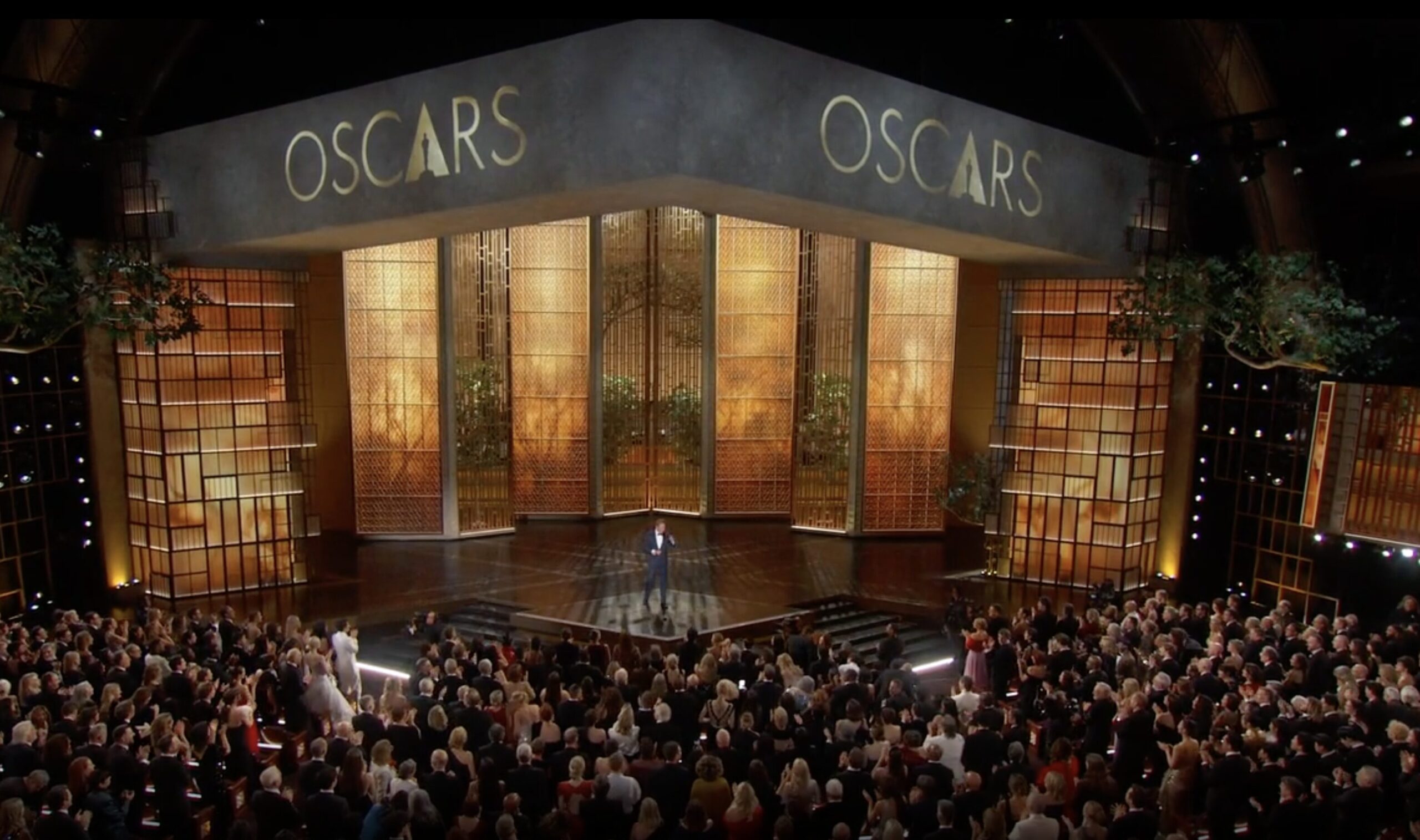
Every year, it seems the Academy Awards run long. And each year, the Academy and its broadcast partners try to find a way to shorten the show. I’ve always found this odd because no one seems to have an issue with the Super Bowl, or other live events going long. In theory, you broadcast these events because they offer higher ratings than your standard programming in that slot, so why not relish the longer broadcast? And as an aside, when the awards telecast moves exclusively to YouTube in 2029, it’ll be interesting to see if this obsession with shortening the show continues.
All of this is to say that one of the ideas that gets floated, and haltingly implemented is eliminating certain categories from the broadcast. In 2019 for example, four categories had their award given during the commercial breaks. This included cinematography and live action short. Had that rule been in place this year, we would’ve missed Autumn Durald Arkapaw, the first woman to win for cinematography (Sinners), as well as the ultra-rare tie that occurred in the short live-action category between The Singers, and Two People Exchanging Saliva.
There was also a feeling that for the most part, those established in the business have become far more “safe” in their acceptance speeches. This could be due to the emphasis on keeping remarks short, but it could also be a business decision, albeit perhaps a sub-conscious one. In 2017, during the first Trump administration, Warren Beatty spoke of the importance of truth, Barry Jenkins advocated for better representation, and as a presenter, Gael García Bernal emphasized his support of migrant workers. That year also saw a blue ribbon campaign, supporting the ACLU.
This year, by contrast, acceptance speeches barely touched on political matters. And one can’t help but be reminded that this is the Academy Awards ceremony with a very different media ownership landscape. David Ellison, fresh off acquiring CBS Paramount (after the cancellation announcement of Stephen Colbert), is currently working to finalize the purchase of Warner Bros. Discovery as well. This is also the first awards show after ABC, the network hosting the show, pulled Jimmy Kimmel off the air for a week following perceived licensure threats from FCC commissioner Brendan Carr. This is a perfect storm for, at the least, self-censorship, if not more nefarious reasons.
Which brings us back to the “smaller” categories. Short-subject animation, documentary, and live-action, along with feature documentary and international films are less beholden to these corporate overlords: There is a freedom of spirit they carry to the show, that today’s Hollywood stars have relinquished.
In this year’s show, Conan was moved to silence for nearly 30 seconds from the sustained applause from the back of the room after mentioning the best documentary short film category in his opening monologue. Later when Jimmy Kimmel presented the award for the same category, the cheers from the back of the theater led him to quip that they’d be given fewer tickets next year.
In accepting the award for best documentary for Mr. Nobody Against Putin, the filmmakers made one of the most cogent mentions of the importance of being vigilant to the slow erosion of freedoms like speech, in the face of tyranny.
That slow erosion may have already hit the most powerful voices in Hollywood, leaving those in the back of the room to lead.